


Creating Additional Teaching Space When It’s Needed
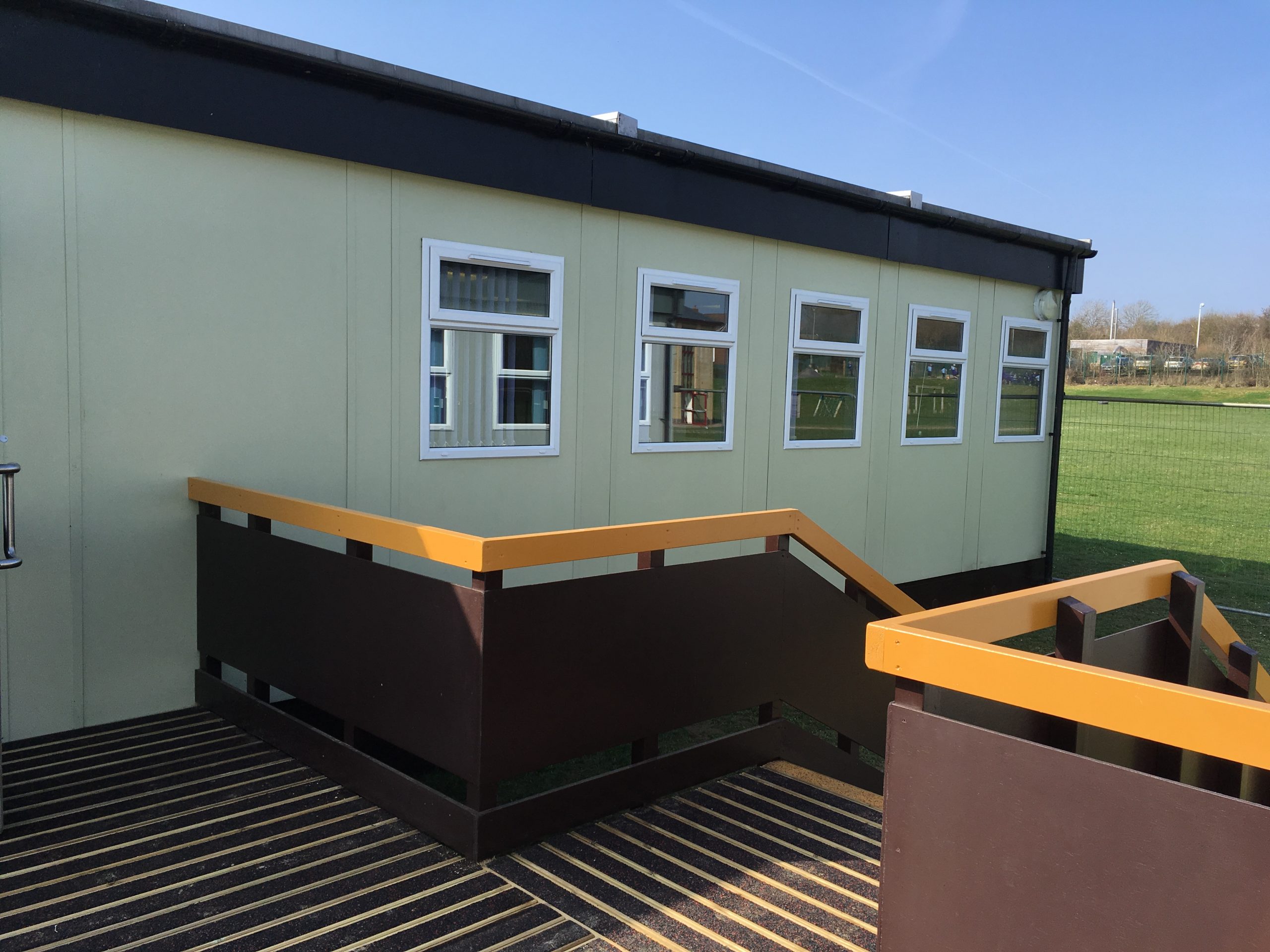
A modular classroom building is often used when a school needs one additional teaching space rather than a full block of rooms
At Lowrie Modular Buildings, we focus on providing single classroom units that slot into existing school environments with as little disruption as possible, particularly where space is already being used tightly and timetables are fixed.
In many cases, a modular classroom building is brought in to solve a very specific issue rather than a long-term expansion plan. It might be needed because one year group has increased unexpectedly, or because an existing classroom is temporarily out of use due to refurbishment or building repairs. Schools also use these units when they need to separate a particular type of learning, such as quieter study space or targeted support sessions, without reshuffling the wider school layout.


Supporting How Schools Operate
A modular classroom building is designed to work within the school day, taking into account how pupils move in and out of the space, where queues form, and how staff manage supervision.
Inside, the layout is kept simple and practical, so it works in the same way as a standard classroom from the outset. Desks, storage and teaching areas are positioned to allow clear sightlines for staff, easy movement for pupils and enough space for everyday classroom activity. Consideration is also given to things like where equipment is stored, how pupils enter and exit the room, and how the space connects with surrounding buildings.
Why Schools Opt for a Single Classroom Unit
Schools often choose modular units when they need extra space sooner rather than later, especially when existing classrooms are already working at full capacity. Unlike larger builds, a single unit can be positioned in a spare corner of the site or alongside existing teaching blocks without requiring major changes to movement routes, outdoor areas or established day-to-day routines for pupils and staff.
Speak to Lowrie Modular Buildings today to review options for expanding teaching space efficiently.
This approach is particularly useful where space is already heavily used, as it allows schools to increase capacity without rearranging the entire site or committing to more time-consuming construction work that could affect lessons and wider school activities.
Q&A: Modular Classroom Buildings
Q: Can a modular classroom handle heavier equipment like science or art materials?
A: Yes, layouts can be planned to accommodate subject-specific storage and equipment where needed.
Q: How are noise levels managed inside the classroom?
A: Acoustic design can be included to help reduce outside noise from the rest of the site or nearby roads.
Q: Can a single classroom unit be added during term time?
A: Yes, installation is planned carefully around school operations to reduce impact on teaching hours. Where possible, we can also work during school holidays.
Q: What are modular classrooms usually used for?
A: It is often used for overflow pupils, temporary relocation during works, extra-curricular activities, or dedicated teaching spaces for specific groups.
Q: Can it be adjusted if the school’s needs change later?
A: In many cases, layouts and placement can be reviewed.